Skip to content
Java is one of the most in-demand programming languages. Whether you are preparing for a fresher role or an internship, Java is likely to be part of your technical round.
This blog will help you with 20 commonly asked Java questions and their simple answers.
1. What is Java
Java is a programming language used to build mobile apps, web apps, desktop software and more. It is fast, reliable and works on all platforms.
2. What is the difference between JDK JRE and JVM
- JDK is Java Development Kit. It is used to write and compile Java code.
- JRE is Java Runtime Environment. It is used to run Java programs.
- JVM is Java Virtual Machine. It runs the compiled code and makes Java platform independent.
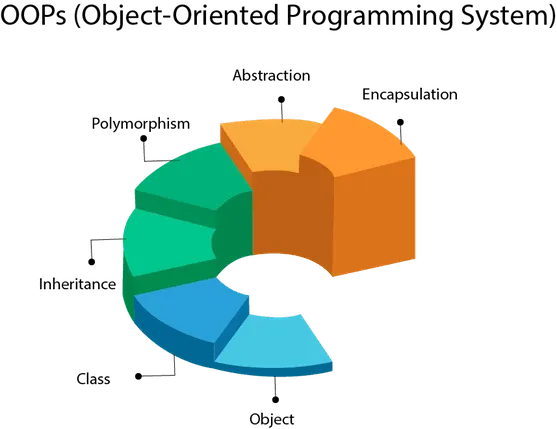
3. What is the difference between class and object
- A class is like a blueprint.
- An object is the real thing created using that blueprint.
Example: Class is Car. Object is your own car created from the Car class.
4. What are data types in Java
Data types are used to define the kind of data a variable will hold.
Examples:
- int for numbers
- float for decimal numbers
- char for a single character
- boolean for true or false
- String for words or sentences
5. What is method overloading
It means having more than one method with the same name in the same class but with different parameters.
void show(int a)
void show(String name)
6. What is method overriding
It means redefining a method in the child class which already exists in the parent class with the same name and same parameters.
7. What is inheritance in Java
Inheritance means one class can use properties and methods of another class.
It helps to reuse code.
class Animal
class Dog extends Animal
8. What is abstraction
Abstraction means hiding unnecessary details and showing only the important part.
It is done using abstract classes or interfaces.
9. What is encapsulation
Encapsulation is the process of wrapping data and code together. It is done by making variables private and using getter and setter methods.
10. What is polymorphism
Polymorphism means one thing has many forms.
It is of two types:
- Compile time polymorphism using method overloading
- Run time polymorphism using method overriding
11. What is an interface in Java
Interface is like a contract which contains only method declarations.
The classes which use the interface must write the body of those methods.
12. What is a constructor
Constructor is a special method that is used to create objects. It has the same name as the class and no return type.
13. What is the difference between == and equals method
- == checks if two objects refer to the same memory location
- equals checks if two objects have the same value
14. What is static keyword
The static keyword is used to define variables or methods that belong to the class and not the object.
15. What is the final keyword
Final is used to declare constants. It can be used with variables, methods, and classes.
- Final variable cannot change
- Final method cannot be overridden
- Final class cannot be inherited
16. What is exception handling
It is used to handle errors during program execution. It uses try catch blocks.
try {
   int a = 10 / 0;
} catch (ArithmeticException e) {
   System.out.println("Cannot divide by zero");
}
17. What is the difference between Array and ArrayList
| Feature | Array | ArrayList |
|---|---|---|
| Size | Fixed | Dynamic |
| Type | Works with primitive and objects | Objects only |
| Performance | Faster | Slower |
18. What is garbage collection
Garbage collection is a process in Java where unused objects are automatically deleted to free memory.
19. What is the difference between public private and protected
- Public – accessible from anywhere
- Private – accessible only within the class
- Protected – accessible in the same package and by subclasses
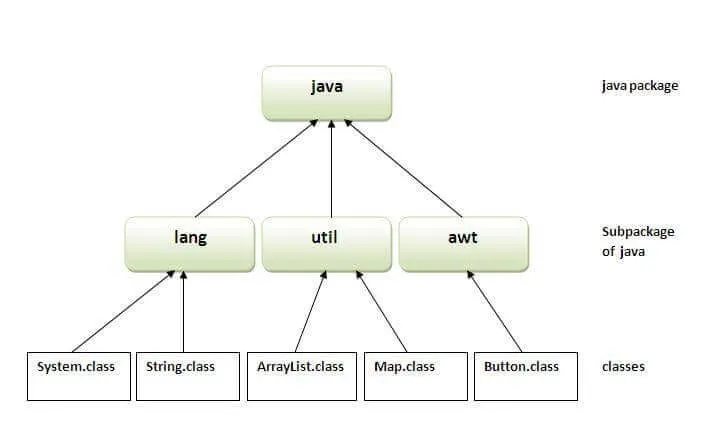
20. What are commonly used Java libraries
Some popular libraries are:
- java.util – for collections and data structures
- java.io – for input output
- java.lang – for core functions
- java.net – for network programming
- java.sql – for working with databases
Final Tips for Java Interviews
- Understand basic concepts instead of memorizing
- Write small programs for practice
- Focus on object oriented thinking
- Keep your code clean and simple
- Practice commonly asked questions
Learn Java Practically with Hackers Learning
We provide:
- Java courses with project support
- Real interview question practice
- Personal mentoring
- Resume and portfolio help
Get started today
Visit hackerslearning.com and enroll in our beginner friendly Java course.