Skip to content

Cyber security is one of the most exciting and rapidly growing fields in tech. Whether you are a beginner or a seasoned ethical hacker, using the right tools can make all the difference in identifying vulnerabilities and strengthening defenses. This blog lists some of the best and most popular cyber security tools you should know and practice with.
1. Nmap – Network Scanning and Mapping Tool
Nmap (Network Mapper) is a powerful open-source tool used for discovering hosts and services on a computer network. It is commonly used in penetration testing and vulnerability scanning.
Key Features:
- Host discovery and port scanning
- Service version detection
- OS detection
- Scriptable interaction with targets
Use Case: To perform network audits and discover open ports and services on remote machines.
2. Wireshark – Network Protocol Analyzer
Wireshark is one of the most used tools for analyzing network packets. It lets you capture and inspect data traffic in real time, making it a must-have for network troubleshooting and analysis.
Key Features:
- Live packet capture and offline analysis
- Deep inspection of hundreds of protocols
- VoIP analysis
- Filter-based traffic display
Use Case: To inspect network traffic for suspicious activity or investigate packet-level data breaches.

3. Metasploit – Penetration Testing Framework
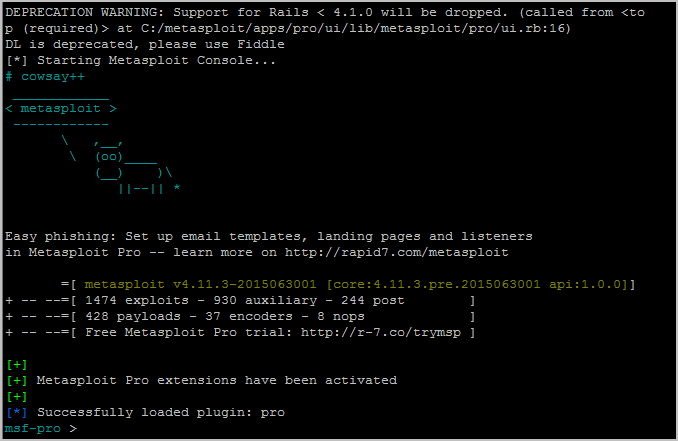
Metasploit is a widely used tool in ethical hacking and penetration testing. It offers a complete environment to exploit vulnerabilities and test system defenses.
Key Features:
- Extensive database of exploits and payloads
- Supports custom scripting
- Integrated with Nmap and other tools
- Works well with Kali Linux
Use Case: To simulate real-world attacks and test the effectiveness of network security.
4. Burp Suite – Web Application Security Testing
Burp Suite is a favorite among web application testers. It provides a range of tools to map, analyze, and exploit vulnerabilities in web apps.
Key Features:
- Intercepting proxy
- Spidering and web crawling
- Vulnerability scanner
- Repeater for manual testing
Use Case: To test for SQL injection, XSS, and other web vulnerabilities.

5. John the Ripper – Password Cracking Tool
John the Ripper is a popular password security auditing and recovery tool. It helps identify weak passwords and performs brute force and dictionary attacks.
Key Features:
- Supports multiple hashing algorithms
- Custom wordlists
- GPU acceleration for faster cracking
- Works on UNIX, Windows, and more
Use Case: To test password strength and recover lost credentials.

6. Nikto – Web Server Scanner
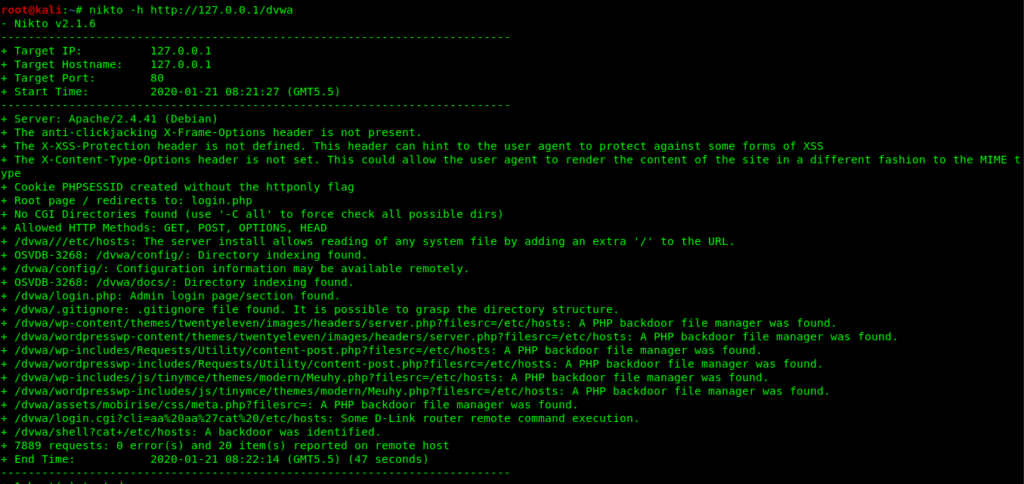
Nikto is an open-source tool that scans web servers for potentially dangerous files and outdated software.
Key Features:
- Scans over 6000 known vulnerabilities
- Detects default files and insecure configurations
- Supports SSL and proxy
Use Case: To identify misconfigurations and vulnerabilities in web servers.
7. Kali Linux – Penetration Testing OS
Kali Linux is not just a tool but a full operating system built for ethical hacking. It comes preloaded with hundreds of tools for all types of cyber security testing.
Key Tools Included:
- Metasploit
- Wireshark
- Aircrack-ng
- Nmap
- Burp Suite
Use Case: To set up a complete environment for security testing.

Mastering these tools will give you a solid foundation in cyber security. But remember, tools are only as good as your understanding of how and when to use them. Always stay ethical, stay curious, and keep learning.
Have a favorite tool not listed here? Share it with the Hackers Learning community in the comments below!