Skip to content
Python is one of the most beginner friendly and in demand programming languages today. It is used in web development, data science, automation and more. This guide will help you prepare for interviews with 20 commonly asked Python questions and answers.

1. What is Python
Python is a high level programming language. It is simple to write and easy to understand. It is used in many fields like machine learning, website development and automation.
2. What are the features of Python
- Easy to learn
- Open source and free
- Platform independent
- Supports object oriented and functional programming
- Has large libraries
3. What is the difference between list tuple and set
| Feature | List | Tuple | Set |
|---|---|---|---|
| Changeable | Yes | No | Yes |
| Ordered | Yes | Yes | No |
| Duplicates allowed | Yes | Yes | No |
4. What is a dictionary in Python
A dictionary is a collection of key value pairs. Example:
student = {"name": "John", "age": 20}5. What is the difference between Python 2 and Python 3
- Python 2 is older and no longer supported
- Python 3 is the current version with better features
- print is used as
print "Hello"in Python 2 andprint("Hello")in Python 3
6. What are functions in Python
A function is a block of code that runs when called. Example:
def greet():
    print("Hello")
7. What are lambda functions
A lambda is a short one line function with no name. Example:
square = lambda x: x * x8. What is indentation in Python
Python uses indentation (spaces or tabs) to define blocks of code. It is important for writing correct programs.
9. What is the difference between is and ==
- is checks if two variables point to the same object
- == checks if two values are equal
10. What is a loop in Python
Loops are used to repeat actions. Two common types are:
- for loop – runs for a number of times
- while loop – runs while a condition is true

11. What are Python libraries
Libraries are ready to use code written by others. Examples:
- math for mathematics
- pandas for data analysis
- numpy for number work
- matplotlib for charts
- flask for websites
12. What is object oriented programming in Python
Python supports object oriented programming. It uses:
- Classes to create blueprints
- Objects to create real examples
- Inheritance to reuse code
- Encapsulation to protect data
13. What is exception handling
It is used to deal with errors in code using try and except blocks.
try:
    print(10 / 0)
except ZeroDivisionError:
    print("You cannot divide by zero")
14. What is the difference between break continue and pass
- break stops the loop
- continue skips the current step and moves to next
- pass does nothing and is used as a placeholder
15. What are modules and packages
- Module is a Python file with functions and code
- Package is a collection of modules
16. What is a virtual environment
A virtual environment is a tool to keep your Python project and its libraries separate from others. It avoids conflicts.
17. What is list comprehension
It is a short way to create lists using a loop. Example:
squares = [x * x for x in range(5)]18. What are the common data types in Python
- int
- float
- str
- list
- tuple
- dict
- set
- bool
19. What are decorators
Decorators are used to add features to functions without changing their code.
Example:
def decorator_function(original_function):
    def wrapper_function():
        print("Before")
        original_function()
        print("After")
    return wrapper_function
20. What is the difference between mutable and immutable
- Mutable objects can be changed (like list dict set)
- Immutable objects cannot be changed (like int float tuple str)

Final Tips for Python Interviews
- Understand the logic behind each concept
- Write code for practice
- Do small projects using loops and functions
- Review error handling and data types
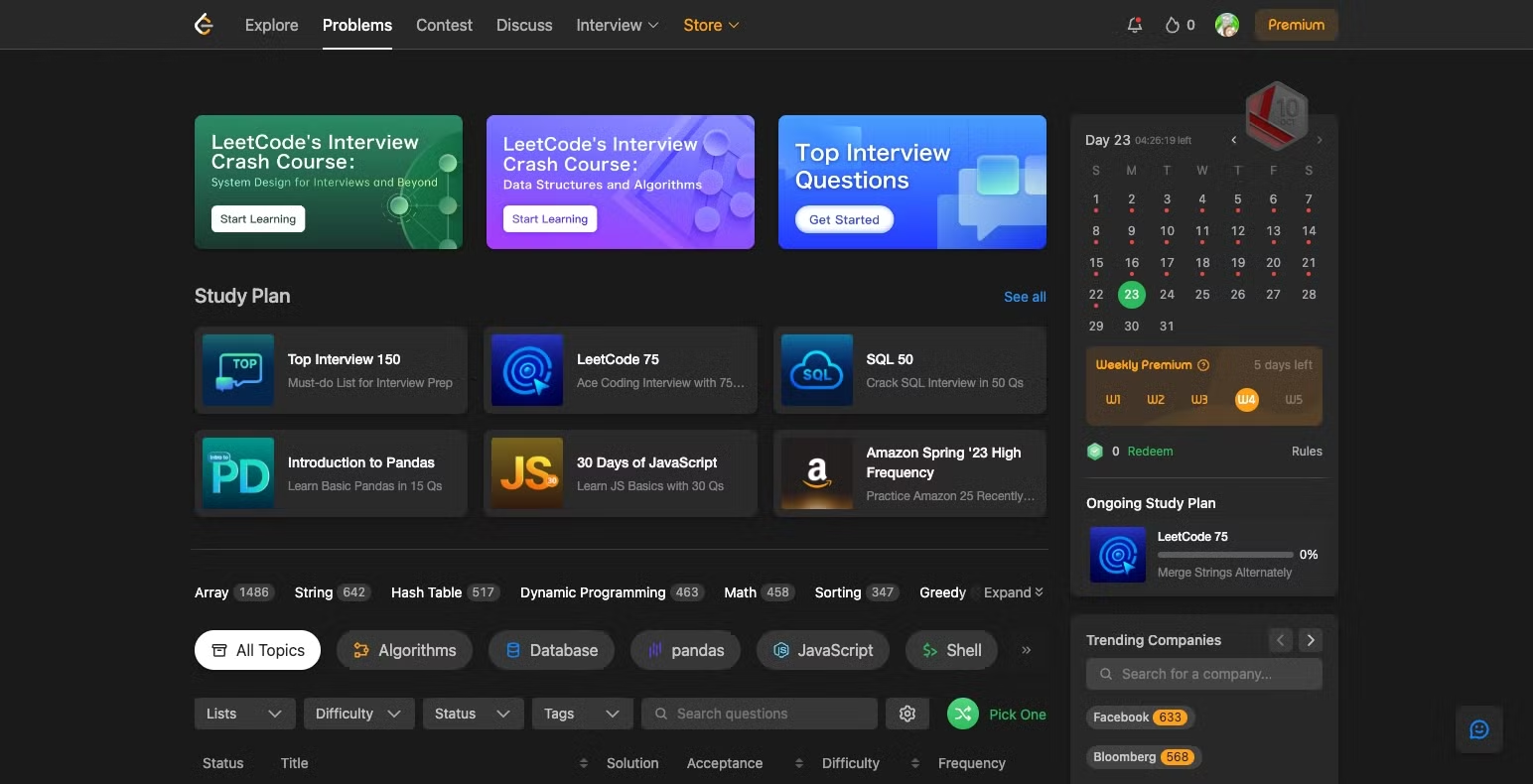
- Practice coding problems from online platforms
Learn Python Step by Step at Hackers Learning
We offer:
- Python training from basics to advanced
- Project based learning
- Interview practice
- One on one support
Join us now
Visit hackerslearning.com and start learning Python today.